For Dr. Shadi Yadegaran – Burbank Office:

BOOK ONLINE
After booking online, one of staff will contact you to confirm your appointment. By requesting an online booking you agree to receive text messages for feedback requests.

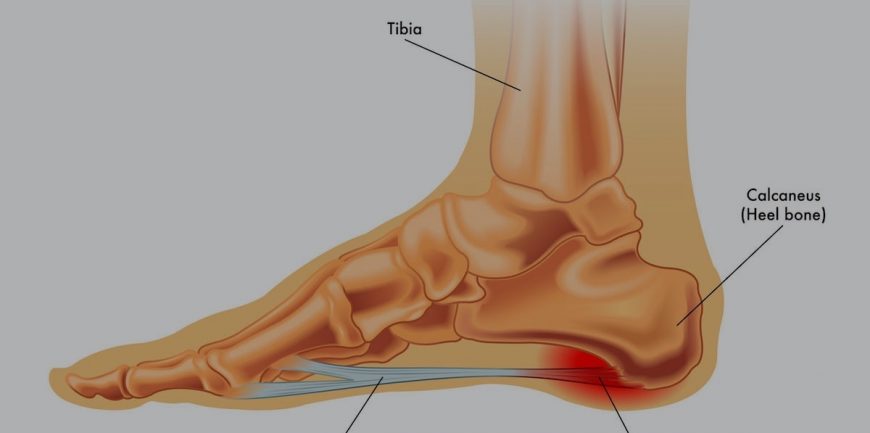
Plantar Fasciitis Treatment
Plantar fasciitis treatment, causes and symptoms. The plantar fascia is made up of thick connective tissues that form the arch of the foot. It runs from the heel bone forward to the base of the toes. Once the planter fascia becomes irritated, it becomes inflamed and begins to cause pain.
We walk every day. It’s an action we do without thinking about it. We walk and stand a lot, and if you’re an athlete, you run a lot. Walking or running puts stresson your feet which absorbs the shock of your foot hitting the ground you walk or run on.
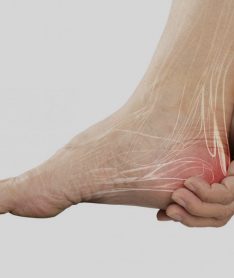
At first, you may not feel anything, but then you wake up one morningand you feel heel pain with the first few steps out of bed. Or you could be sitting down and when you get up and begin to walk your heel and arch hurts.
This could be plantar fasciitis (most common cause of heel and arch pain). This pain can stem from walking or running (in old shoes that do not support the feet) as a means of exercise, being overweight, or standing and walking for long periods of time. If you have high arches or have flat feet, you can be at risk for developing plantar fasciitis.
You can also develop pain due to having tight calf muscles, which reduce ankle flexibility, and increase tension to the plantar fascia. You may not feel the pain during exercise but it is likely that you will begin to feel it once you have stopped and your foot has relaxed. The main goal to managing plantar fascia pain is to reduce inflammation, support the plantar fascia, and stretching. Inflammation can be reduced using non-steroidal anti-inflammatories and icing.
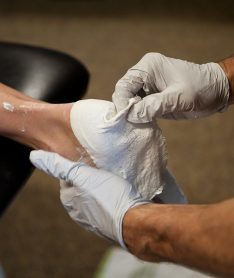
Your Podiatrist may also give you a cortisone injection. Supportive shoes, taping, and use of custom orthotics can support the plantar fascia and reduce the stress placed on the fascia due to walking, standing, and running.
Calf and plantar fascia stretching allows for better ankle range of motion and relieves the pain associated with plantar fasciitis. Plantar fasciitis will improve in more than 90% of patients with conservative treatments.
The doctors at Professional Foot and Ankle Center (Shadi Yadegaran, DPM and Armin Feradouni, DPM) recommend surgical treatment only if conservative treatments are unsuccessful for over one year.





Burbank Podiatrist & Foot Pain Specialist Shadi Yadegaran
DPM Podiatrist clinic located in 2601 W. Alameda Avenue, Suite 208, Burbank, CA 91505 (818-558-7075) Read More